Table of Contents
Have you ever walked into a room only to feel like the corners are swallowing the light? That lingering gloom in hallways, beside staircases, or in awkward nooks isn’t just inconvenient—it subtly drains the energy from your entire space. Dark corners create visual imbalance, make rooms feel smaller and less inviting, and can even pose minor safety hazards in high-traffic areas. While adding more ceiling fixtures might seem like the obvious fix, it often leads to harsh, flat lighting that fails to address those specific shadowy pockets. The real solution lies in strategic, targeted illumination that works with your existing layout, not against it.
Adjustable wall sconces offer a surprisingly elegant and powerful remedy for this common lighting dilemma. Unlike fixed fixtures that cast light in a single, unchanging direction, these versatile pieces act like precision instruments for your walls. They allow you to dynamically redirect light exactly where it’s needed most—banishing deep shadows in stairwells, highlighting artwork in dead-end hallways, or softly illuminating reading nooks without glare. By mastering the art of directional lighting, you transform neglected corners into intentional, functional, and even beautiful elements of your home’s design. Let’s explore how to harness this flexibility effectively.
Top 10 Adjustable Wall Sconces
Detailed Product Reviews
1. TRLIFE Wall Sconce Plug in, Dimmable Wall Sconce with Switch Swing Arm Wall Lights Plug in Wall Mounted Light Wall Sconces Lighting with 6FT Plug in Cord, E26 Base, UL Listed(Two Arms, 1 Pack)
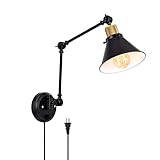
Overview: This versatile single-pack plug-in wall sconce offers flexible lighting for bedrooms or living spaces. Featuring a swing-arm design and integrated dimmer knob, it provides adaptable illumination without hardwiring. What Makes It Stand Out: The standout feature is the dual installation method: plug directly into any outlet using the included 6ft cord or hardwire it professionally. The dimmer knob (0-100%) and extensive adjustability (180° left/right swing, 270° up/down tilt) allow precise light direction. Its industrial-modern brass-and-black design with a brightness-enhancing white shade adds aesthetic value. Value for Money: Priced moderately for a single unit, it delivers excellent value through UL-listed safety, tool-free plug-in convenience, and robust adjustability. While bulbs are extra, the flexibility to choose your preferred dimmable E26 bulb (up to 60W) offsets this cost. Strengths and Weaknesses: Strengths: Easy plug-in setup; intuitive physical dimmer; exceptional arm mobility; durable build; UL certification. Weaknesses: Bulb not included; physical knob requires manual adjustment (no remote); single-unit packaging limits symmetry for pairs. Bottom Line: Ideal for renters or DIYers seeking an affordable, flexible single sconce. Its reliable dimming and dual-installation options make it a practical, high-value lighting solution despite the missing bulb.
2. TRLIFE Plug in Wall Sconces, Dimmable Wall Sconce Swing Arm Wall Lights Plug in, Adjustable Wall Mounted Light Wall Lights with 6FT Plug in Cord, E26 Base(Two Arms, 2 Pack)

Overview: This two-pack of plug-in dimmable wall sconces provides symmetrical lighting for flanking beds or seating areas. Each unit features a swing arm, physical dimmer knob, and flexible installation options. What Makes It Stand Out: The key advantage is the cost-effective pair, perfect for balanced room setups. Like the single unit, it offers plug-in or hardwire installation, 0-100% dimming via backplate knob, and 180° horizontal/270° vertical adjustability. The industrial brass-and-black design with white-shade brightness enhancement ensures cohesive style. Value for Money: Significantly better value than buying two single units, this pack justifies its price with doubled functionality. The included hardware, UL-listed components, and elimination of bulb costs for a pair (though bulbs sold separately) enhance affordability for symmetrical lighting needs. Strengths and Weaknesses: Strengths: Economical for dual installations; consistent plug-and-play setup; durable adjustable arms; professional hardwire option. Weaknesses: No remote control; bulbs excluded; physical dimmers lack memory function; potential color variance between units. Bottom Line: Highly recommended for creating matched lighting pairs affordably. Its dual-install flexibility and robust adjustability make it a smart buy for homeowners prioritizing symmetry and ease of use.
3. JONATHAN Y JYL7462A Industrial Adjustable Arm Wall Sconce, 7" Hardwired Wall Lamp in Black and Brass Gold Finish, Farmhouse Metal Reading Light for Bedroom, Bedside, Living Room, LED Bulb Included

Overview: A hardwired industrial-chic sconce featuring a black metal body, brass accents, and an included LED bulb. Designed for permanent installation in bedrooms or living areas as a reading or ambient light source. What Makes It Stand Out: The included ETL-listed LED bulb is a major differentiator, offering immediate usability. Its farmhouse-industrial aesthetic blends seamlessly with various decors, while the adjustable arm provides focused task lighting. Premium New York-based design emphasizes quality craftsmanship. Value for Money: Priced higher than plug-in models, it justifies cost through included long-life LED bulb, premium build quality, and ETL safety certification. The need for professional hardwiring adds installation expense, but the bulb inclusion and durability offer long-term savings. Strengths and Weaknesses: Strengths: LED bulb included; high-end materials; versatile black/brass finish; ETL safety certified; excellent for task lighting. Weaknesses: Hardwiring required (no plug-in option); professional installation adds cost; limited adjustability compared to swing-arm competitors; single-unit pricing. Bottom Line: Best for homeowners seeking a permanent, high-quality fixture with no bulb hassle. Worth the investment for its included LED and sophisticated design, despite installation complexity.
4. TRLIFE Remote Control Dimmable Wall Sconce, Adjustable Color Temperature 2700K-6500K Brushed Brass Swing Arm Wall Lights with Plug in Cord, 11.8" Large White Shade(2 Pack, 2 Bulbs)

Overview: A two-pack of remote-controlled plug-in sconces featuring dimmable LED bulbs, adjustable color temperature, and a large white shade. Combines modern aesthetics with smart functionality for adaptable ambient lighting. What Makes It Stand Out: The included remote enables effortless 10%-100% dimming and 2700K-6500K color tuning from 65ft away, with memory and timer functions. The large 11.8" shade, brush brass finish, and dual-install capability (plug-in/hardwire) enhance its versatility for mood setting. Value for Money: Excellent value as a complete smart-lighting solution: includes two sconces, two 8W LED bulbs, and a remote. The ability to replace multiple lamps with one system (warm to cool light) justifies the price against basic dimmable models, especially with UL certification. Strengths and Weaknesses: Strengths: Remote color/brightness control; bulbs included; large shade output; plug/hardwire flexibility; memory function. Weaknesses: Remote battery not specified; potential signal interference; slightly bulky design; no night light mode. Bottom Line: Top pick for tech-savvy users wanting customizable ambiance. The included bulbs and remote features deliver strong value for creating dynamic lighting environments.
5. GOODATE 2 Pack Plug in Wall Sconces with Remote, Dimmable, Adjustable Colors, Swing Arm Wall Lamps, Wall Sconces Set of Two with Timer & Night Light, Plug-in or Hardwired (Black, with Bulbs+Remote)
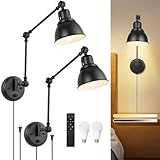
Overview: A feature-rich two-pack sconce set with remote-controlled dimming, color temperature adjustment, night light mode, and timer functions. Designed for ultimate convenience in bedrooms or hallways. What Makes It Stand Out: Beyond standard dimming (10%-100%) and 2700K-6500K tuning, it uniquely offers a night light mode, 30-minute auto-off timer, and memory function. The dual control (remote + manual switch) and 270°/180° arm adjustability cater to diverse needs. Value for Money: Exceptional value with bulbs, remotes, and advanced features included. The night light and timer justify the price for safety-focused users, while dual-install options maximize usability. Slightly pricier than basic packs but justified by smart extras. Strengths and Weaknesses: Strengths: Night light/timer modes; memory function; dual control options; comprehensive package; flexible installation. Weaknesses: Black finish less versatile than brass; remote range may vary; potential overcomplication for simple needs. Bottom Line: Highly recommended for families or safety-conscious buyers. Its specialized features and complete kit make it the most functional plug-in pair for versatile, intelligent lighting.
6. JONATHAN Y JYL7461A Industrial Adjustable Arm Wall Sconce, 7" Hardwired Wall Lamp in Brass Gold Finish, Farmhouse Metal Reading Light for Bedroom, Bedside, Living Room, LED Bulb Included

Overview: This hardwired brass wall sconce delivers industrial farmhouse charm with a 7" adjustable arm, ideal for bedrooms or living rooms. It includes a 2700K LED bulb and emphasizes premium hardwired installation for permanent lighting solutions.
What Makes It Stand Out: The non-oxidizing brass finish ensures long-term elegance, while the adjustable arm offers directional flexibility. ETL/UL certification and included energy-saving LED bulb highlight safety and convenience, distinguishing it from basic fixtures.
Value for Money: Positioned as a high-end update, its $85–$100 price reflects Soho-based design quality and included components. While pricier than plug-in alternatives, it justifies cost through durable materials and professional aesthetic appeal for permanent installations.
Strengths and Weaknesses: Strengths: Timeless brass finish, robust construction, no visible cords, and included LED bulb. Weaknesses: Hardwiring necessitates professional installation (adding cost), lacks dimming/color adjustment, and limited versatility for renters.
Bottom Line: Ideal for homeowners seeking a permanent, stylish upgrade. Avoid if you need flexibility or DIY installation; otherwise, a worthwhile investment for enduring quality and design cohesion.
7. TRLIFE Wall Sconces Plug in, Remote Control Dimmable Wall Sconce and Adjustable Color Temperature 2700K-6500K Wall Lights with 6FT Plug in Cord, Swing Arm Wall Mounted Light(2 Pack, 2 Bulbs)

Overview: This 2-pack plug-in wall sconce offers remote-controlled dimming (10–100%) and adjustable color temperature (2700K–6500K), featuring flexible swing arms and a 6ft cord for versatile placement in bedrooms or living spaces.
What Makes It Stand Out: The multi-functional remote (65ft range) with memory, timer, and night-light modes is exceptional. Combined with 270-degree arm adjustability and dual-color temperature control, it provides unmatched user customization among plug-in options.
Value for Money: At $60–$75 for two units with bulbs, it outperforms hardwired competitors in flexibility. The remote system and color tuning justify the price for renters or those avoiding electrical work, though durability may trail premium hardwired models.
Strengths and Weaknesses: Strengths: Effortless plug-and-play setup, extensive remote features, adjustable color/brightness, and space-saving swing arms. Weaknesses: Visible cord may clash with décor, remote reliance risks battery issues, and brushed brass finish may show wear over time.
Bottom Line: A top pick for renters or tech-savvy users wanting adaptable lighting without installation hassle. Prioritize if dimming range and color control are essential; skip for minimalist hardwired aesthetics.
8. JONATHAN Y JYL7462A-SET2 Rover 7" Farmhouse Industrial Adjustable Arm Metal LED Wall Sconce Rustic Bohemian 2700K 4W Bulb for Entryway Lobby Kitchen Bathroom Bedroom Hallway, Black (Set of 2)

Overview: This black-finish, hardwired 2-pack sconce features adjustable arms and integrated 2700K LED bulbs, targeting rustic or industrial spaces like hallways and bedrooms with a cohesive, permanent lighting solution.
What Makes It Stand Out: The matte black finish complements diverse palettes, while the set-of-two format offers immediate symmetry. Like Product 6, it emphasizes JONATHAN Y’s design pedigree, ETL/UL safety compliance, and included energy-efficient bulbs for hassle-free operation.
Value for Money: Priced $10–$15 higher than single units but offering two fixtures, it’s cost-effective for pairing in hallways or flanking beds. The investment suits permanent renovations, though plug-in alternatives provide more flexibility per dollar for temporary setups.
Strengths and Weaknesses: Strengths: Uniform black finish, sturdy build, included LEDs, and seamless hardwired look. Weaknesses: Professional installation required, zero dimming/color adjustment, and identical fixed warmth limits ambiance control.
Bottom Line: Excellent for matching pairs in fixed installations where design cohesion matters. Choose for a polished, permanent look; avoid if you need adjustable lighting or easy relocation.
9. TRLIFE Wall Sconce Plug in, Dimmable Wall Sconces Set of 2 Wall Lights with Plug in Cord and Dimmer On/Off Knob Switch, Brushed Brass Swing Arm Wall Light, UL Listed(2 Pack, 2 Bulbs)

Overview: This brushed brass 2-pack plug-in sconce includes a backplate dimmer knob (0–100%) and 180-degree swing arms, designed for bedside or living room use with warm 2700K lighting and tool-free setup.
What Makes It Stand Out: The tactile rotary dimmer switch eliminates remotes or apps, providing intuitive brightness control. Paired with a sleek brass finish, white-lined shade for optimal reflection, and UL-listed safety, it balances simplicity and elegance.
Value for Money: At $55–$70 for two units with compatible bulbs, it’s competitively priced. The included dimmable LEDs and hardwire option add value over kits requiring separate bulb purchases, though no color tuning limits versatility versus Product 7.
Strengths and Weaknesses: Strengths: User-friendly physical dimmer, space-saving design, warm consistent light, and dual plug/hardwire capability. Weaknesses: Fixed 2700K color temperature, cord visibility, and limited arm rotation (180° vs. 270° in Product 7).
Bottom Line: Best for users prioritizing simplicity and warm ambiance without tech complexity. A solid plug-in choice for bedside reading; opt for Product 7 if color adjustment is critical.
10. TRLIFE Wall Sconce Plug in, Dimmable Wall Sconces Set of Two Swing Arm Wall Lights with Plug in Cord and On/Off Dimmer Rotary Switch, 9.4" Medium Beige Fabric Shade(2 Pack, 2 Bulbs)

Overview: Featuring beige fabric shades and black metal arms, this 2-pack plug-in sconce includes a rotary dimmer (0–100%) and flexible 270-degree arms, targeting cozy settings like bedrooms with soft, adjustable lighting.
What Makes It Stand Out: The fabric shade diffuses light gently, reducing glare—unlike metal/brass competitors. Combined with the physical dimmer knob and dual plug/hardwire options, it excels in creating ambient, glare-free illumination for relaxation spaces.
Value for Money: Priced similarly to Product 9 ($60–$75), the fabric shade adds unique softness, justifying parity. Included bulbs and UL certification enhance value, though the niche aesthetic may not suit industrial decors as well as brass alternatives.
Strengths and Weaknesses: Strengths: Warm, diffused light from fabric shade, intuitive dimming, versatile arm adjustability, and safe UL components. Weaknesses: Shade may attract dust, beige tone limits color coordination, and cord management challenges persist.
Bottom Line: Perfect for traditional or cozy interiors needing gentle task lighting. Prioritize if soft ambiance is key; choose brass-finish models for modern/industrial spaces.
Understanding the Problem: Why Dark Corners Persist
The Physics of Light Falloff in Interior Spaces
Light intensity diminishes rapidly as it travels away from its source, a principle known as the inverse square law. Standard ceiling fixtures often fail to penetrate deep into room corners because the light beam spreads too widely before reaching these peripheral zones. Wall placement, however, positions the light source much closer to the problem area, significantly reducing the distance the light must travel and minimizing natural falloff. This proximity is the first key to conquering shadows.
Common Architectural Culprits for Shadow Zones
Certain home layouts are inherently prone to dark corners. L-shaped hallways create natural light traps where walls block illumination from adjacent corridors. Stair landings frequently suffer from shadows cast by the stair structure itself. Rooms with recessed entries, bay window alcoves, or freestanding furniture arrangements also generate persistent shadow pockets that overhead lighting alone cannot resolve. Identifying these architectural features is the first step toward targeted solutions.
The Limitations of Traditional Fixed Lighting
Fixed wall sconces or ceiling pendants provide ambient glow but lack the directional control needed for precision tasks. Their light output is predetermined by the fixture’s design, often casting illumination parallel to walls rather than penetrating into corners. Upgrading to adjustable models isn’t just about convenience—it’s about fundamentally changing how light interacts with your specific room geometry to eliminate dead zones.
Key Features to Prioritize in Adjustable Sconces
Swivel Range and Rotation Capabilities
The true value of an adjustable sconce lies in its articulation. Look for models offering at least 180 degrees of horizontal rotation and 90 degrees of vertical tilt. Premium options provide full 360-degree rotation combined with multi-axis pivoting heads, allowing you to precisely angle light into the deepest corners or redirect it as your room’s function changes over time. Avoid units with stiff or limited movement mechanisms that restrict fine-tuning.
Beam Angle and Light Distribution Control
Not all sconces flood a room equally. Adjustable beam sconces let you modify whether light spreads widely for ambient wash or focuses narrowly for task illumination. A beam angle between 25-45 degrees is ideal for piercing deep corners, while wider 60+ degree angles better suit general wall washing. Some advanced models include interchangeable lenses or internal baffles to further customize the spread without replacing the entire fixture.
Dimming Compatibility and Intensity Management
Effective corner lighting requires more than just direction—it needs intensity control. Ensure your chosen sconce works seamlessly with modern dimmer switches (check compatibility with LED drivers if using energy-efficient bulbs). The ability to reduce output prevents harsh glare when redirecting light toward reflective surfaces while still maintaining sufficient brightness to eliminate shadows at lower settings.
Strategic Placement Principles for Maximum Impact
Height Considerations for Corner Illumination
Mounting height dramatically affects how light penetrates corners. For general shadow elimination in hallways or living areas, position sconces 60-66 inches above the floor. When targeting specific dark zones like stair corners, lower placement (54-60 inches) often provides better upward illumination. Always test placement with a temporary clamp light before final installation to observe how light angles interact with the space.
Positioning Relative to Problem Areas
Place sconces opposite the dark corner you’re addressing, not directly within it. For an L-shaped hallway corner, install the sconce on the wall leading into the turn. This allows the adjustable head to swivel inward, projecting light diagonally across the junction where shadows form. In stairwells, position fixtures on landings pointing toward the descending steps to illuminate tread edges effectively.
Avoiding Glare and Shadow Conflicts
Beware of positioning sconces where their redirected light creates new problems. Angling light toward mirrors or glossy surfaces can cause distracting reflections. Similarly, placing fixtures too close to doorways might cast moving shadows across pathways. Test all adjustment positions at different times of day to ensure the redirected light enhances, rather than disrupts, the space’s functionality.
Matching Sconce Style to Your Decor
Integrating Modern and Transitional Designs
Contemporary adjustable sconces often feature clean lines, minimal hardware, and integrated LED modules that suit modern interiors. Look for finishes like matte black, brushed nickel, or polished chrome that complement current trends without overwhelming the architecture. The adjustability mechanism itself should appear intentional—visible pivots can add industrial flair, while hidden joints maintain sleek minimalism.
Blending with Traditional and Vintage Interiors
For classic homes, seek adjustable models with heritage-inspired details: fabric shades with internal pivoting mechanisms, brass or oil-rubbed bronze finishes, or sconces mimicking candle holders with hidden directional heads. The key is ensuring the adjustment function doesn’t compromise the fixture’s period authenticity—opt for designs where movement appears graceful rather than mechanical.
Material Choices for Durability and Ambiance
Consider how materials affect both longevity and light quality. Metal housings (aluminum, steel) provide robust support for frequent adjustments. Glass or acrylic diffusers soften light output, reducing harsh spots when redirected into corners. For high-moisture areas like hallways near entryways, ensure materials are rated for damp locations to prevent corrosion of moving parts.
Technical Considerations Beyond Aesthetics
Voltage Requirements and Electrical Safety
Most residential sconces operate on standard 120V household current, but confirm this matches your home’s wiring. Low-voltage (12V) options require transformers, adding complexity. Crucially, verify all adjustable components maintain proper electrical insulation during movement—look for UL or ETL certification to ensure the fixture won’t expose wires when swiveled. Safety should never be compromised for flexibility.
Bulb Type and Fixture Compatibility
Determine whether the sconce uses integrated LEDs or accepts standard bulbs (BR30, PAR38, etc.). Integrated LED models often offer superior dimming and directional control but can’t be upgraded later. If using replaceable bulbs, confirm the fixture’s maximum wattage and compatible base types (E26 standard is most versatile). Always pair directional sconces with bulbs featuring precise beam control rather than omnidirectional A19 types.
Heat Dissipation in Adjustable Mechanisms
Frequent repositioning traps heat differently than fixed fixtures. Ensure models with integrated LEDs have adequate heat sinks, especially where the swivel joint meets the wall plate. For bulb-based sconces, verify sufficient airflow around the socket in all adjustment positions to prevent premature bulb failure or housing damage from excessive heat buildup.
Installation and Maintenance Essentials
Pre-Installation Wall Assessment
Before mounting, inspect wall composition—drywall, plaster, or masonry requires different anchors and mounting hardware. Locate studs using a reliable stud finder, as adjustable sconces exert lateral force when moved. Avoid positioning near existing electrical boxes that could interfere with the sconce’s rotation arc. Mark all cutout points with painter’s tape to prevent drywall tears during drilling.
Wiring for Future Flexibility
If hardwiring, consider installing a wall dimmer switch on the same circuit as your sconces during initial setup—it’s far easier than retrofitting later. For multi-location control (e.g., hallway ends), plan for three-way switching compatible with your dimmers. Leave ample slack in wires behind the fixture to accommodate repeated movement without straining connections.
Ongoing Care for Moving Parts
Dust accumulation in pivot points can stiffen adjustment mechanisms. Clean sconces quarterly using a soft microfiber cloth; avoid harsh chemicals that could degrade finishes or lubricants. For sticky joints, apply a tiny amount of dielectric grease (never WD-40) to metal-on-metal contact points. Periodically check mounting hardware tightness, as frequent adjustment can loosen screws over time.
Energy Efficiency and Sustainability Factors
LED Technology and Directional Advantage
Directional LED sconces maximize efficiency by delivering light only where needed, reducing wasted lumens compared to omnidirectional sources. Look for ENERGY STAR-rated models ensuring optimal driver performance. The focused beam means you often achieve desired corner illumination with lower wattage—typically 8-12W LED equivalents to 50-75W incandescent—slashing energy use while solving shadows.
Smart Integration Potential
Consider sconces compatible with smart home systems for automated shadow management. Schedule lights to brighten corners during evening hours or integrate with motion sensors in hallways. Some advanced models allow preset “scenes” via app control—dimmed for ambiance but automatically boosting corner brightness when someone enters the space, optimizing both comfort and efficiency.
Long-Term Lifecycle Value
While premium adjustable sconces may carry higher upfront costs, their longevity and adaptability offer significant value. Quality moving mechanisms withstand decades of use, and directional capability means you won’t need to add extra fixtures as room functions evolve. This reduces both future electrical work and the environmental footprint of replacing obsolete lighting solutions.
Safety and Regulatory Compliance
Clearance Requirements Near Combustibles
Maintain manufacturer-specified distances from flammable materials like curtains or furniture, especially when sconces are angled toward them. Most codes require at least 6 inches of clearance from combustibles for standard fixtures, but verify this for your specific model—some low-heat LEDs allow closer placement. Never position adjustable heads to shine directly onto nearby upholstery or drapery.
Child and Pet Safety Considerations
In homes with young children or pets, avoid sconces with protruding sharp edges or easily removable parts. Opt for cool-touch LED models to prevent burns if touched during adjustment. Position fixtures high enough that curious hands can’t constantly reposition them, or choose models with tension-adjustable arms that stay firmly in place once set.
Meeting Local Building Codes
Always adhere to regional electrical codes regarding fixture placement in specific zones (e.g., near showers or in closets). Some jurisdictions require tamper-resistant receptacles for hardwired lighting. When in doubt, consult a licensed electrician—improper installation of adjustable fixtures, particularly those with complex wiring for dimming or smart features, can void insurance coverage.
Transforming Ambiance Through Strategic Lighting
Creating Visual Flow in Challenging Layouts
Use angled sconces to guide the eye through disjointed spaces. In hallways with multiple turns, position fixtures to cast light toward the next corner, creating a luminous pathway that connects otherwise segmented areas. This technique makes cramped layouts feel more expansive and intentional, turning shadowy transitions into purposeful design elements.
Layering Light for Depth and Dimension
Combine adjustable sconces with ambient and task lighting for professional-grade layering. Angle a sconce to graze textured walls in dark corners, adding tactile depth, while keeping overhead lights at lower levels. This interplay of directional and diffuse light eliminates flatness, making rooms feel richer and more dynamic without increasing overall brightness.
Setting Mood with Directional Control
The same sconce can serve multiple emotional purposes based on its angle. Point it downward for intimate, focused reading light; tilt upward to create a soft, upward wash that makes ceilings feel higher; or aim it sideways to highlight a painting for gallery-like drama. This adaptability means your lighting evolves with your needs—from energetic morning prep to calming evening relaxation.
Future-Proofing Your Lighting Investment
Adapting to Changing Room Functions
As your home’s use evolves (e.g., converting a guest room to a home office), adjustable sconces let you reconfigure lighting without rewiring. Redirect beams to illuminate new workspaces or dim corners for media rooms. Investing in versatile fixtures now prevents costly lighting overhauls later when your spatial needs inevitably shift.
Compatibility with Emerging Technologies
Prioritize sconces with standard dimming protocols (0-10V, ELV) rather than proprietary systems. This ensures compatibility with next-generation smart switches and voice control platforms. Avoid niche bulb types that may become obsolete; standard LED modules or common bulb bases provide the longest upgrade path as lighting technology advances.
Design Longevity Through Timeless Mechanics
Focus on fixtures where the adjustability feels substantial and precise—not gimmicky. Simple, robust mechanical designs (ball joints, tensioned arms) outlast complex motorized systems prone to breakdown. Choose finishes that complement enduring materials like wood and stone rather than fleeting color trends, ensuring your sconces remain relevant as decor evolves.
Frequently Asked Questions
Can adjustable sconces replace ceiling lights in dark areas?
Adjustable wall sconces excel at supplementing ceiling lights for targeted shadow elimination but rarely replace them entirely. They solve specific directional problems that overhead fixtures can’t reach, creating layered lighting. For whole-room illumination, combine them with ambient ceiling sources rather than relying solely on sconces.
How high should I mount sconces to light stair corners?
For stairwell corner illumination, mount sconces 54-60 inches above each landing’s floor level. This lower placement allows the adjustable head to angle downward, effectively lighting the tread edges of the stairs below. Always test the angle with a temporary light to ensure clear visibility without glare on steps.
Do adjustable sconces require special wiring?
Most standard adjustable sconces use conventional household wiring (120V) and install like fixed fixtures. However, if incorporating advanced features like smart dimming or dual-circuit operation, additional wiring (e.g., neutral wires, multiple switches) may be needed. Consult an electrician for complex integrations.
Can I install these in bathrooms to eliminate shower corners?
Yes, but only if the fixture is rated for damp or wet locations (check IP ratings). Position sconces outside the shower stall but angled inward to illuminate corners, ensuring no part of the fixture is directly exposed to water spray. Avoid mounting within 3 feet of the showerhead unless specifically rated for wet locations.
Will frequent adjustment wear out the mechanism?
Quality sconces with metal joints and proper tensioning withstand decades of adjustment. Look for models with brass or steel pivot points (not plastic) and avoid excessively loose or stiff mechanisms during purchase. Regular light cleaning with dielectric grease on joints prevents wear from dust and friction.
How do I prevent glare when redirecting light into corners?
Use sconces with internal baffles or diffusers that control spill light. Angle the fixture so the light source itself isn’t visible from common sightlines—point the beam toward the shadow, not directly at where people sit or stand. Opt for warm color temperatures (2700K-3000K) which feel less harsh than cooler tones.
Are there corded plug-in options for renters?
Yes, many adjustable swing-arm sconces plug into standard outlets and mount via tension brackets or adhesive plates (no wiring required). These offer full directional control while being removable. Ensure the cord is neatly concealed along baseboards and the fixture doesn’t obstruct pathways when adjusted.
What’s the ideal color temperature for corner lighting?
Stick with 2700K-3000K (warm white) for residential corners. This range mimics natural incandescent light, feeling inviting and reducing eye strain in transitional spaces. Avoid cool temperatures (3500K+) in corners, as they can make shadows feel harsher and less comfortable.
Can I use these outdoors for porch corners?
Only with fixtures explicitly rated for outdoor/wet locations (UL Wet Location listing). Outdoor-rated adjustable sconces use corrosion-resistant materials and sealed joints. Ensure the adjustment mechanism operates smoothly in humidity, and position lights to avoid directing beams toward neighbors’ windows.
How many sconces do I need per dark corner?
Typically one well-placed adjustable sconce suffices per problematic corner or shadow zone. For very large areas (e.g., wide hallways), two fixtures placed opposite each other allow cross-angling light to eliminate overlapping shadows without dark spots. Always prioritize strategic placement over quantity.
See Also
- How to Solve Dark Corners with the 10 Best Swing Arm Wall Sconces in 2026
- 10 Wall Sconces That Solve Dark Corners in 2026
- How to Solve Dark Hallways with the 10 Best Indoor Wall Sconces in 2026
- 10 Wall Sconces That Solve Poor Reading Light in 2026
- Stop Fumbling in the Dark with the 10 Best Plug In Wall Sconces This Year